
Visit "Think God"
-
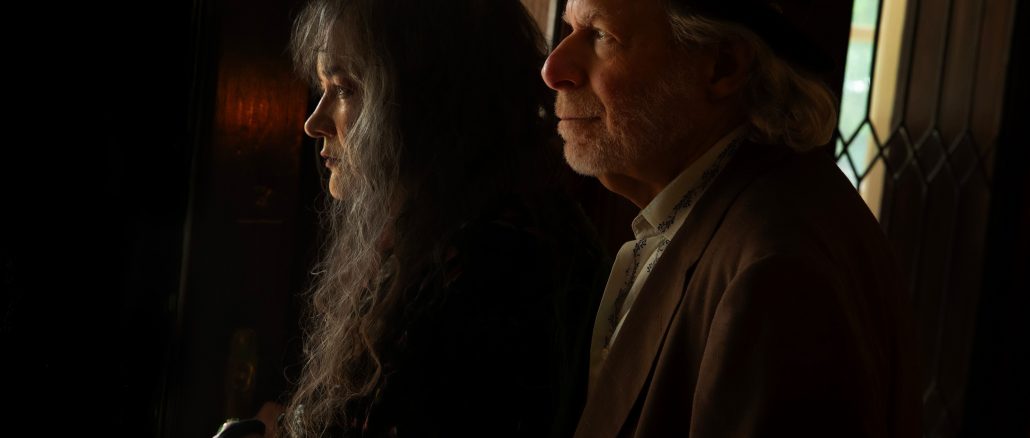
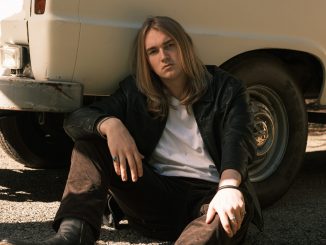
This is perhaps the most subversive album this reviewer has come across for some time. Visit is essentially a vehicle for Tyler Burba, a veritable renaissance man who studied under Alan Ginsberg, who paints and writes poetry and teaches disadvantaged kids. In addition, as evidenced here, he has some terrific country chops and this album is chock full of excellent songs that sound as if they could be by Johnny Cash in his gospel period with pedal steel and banjos galore.
-
A veritable Nashville jukebox whether it be the lazy croon of A Little At A Time , the country lament of I Don’t Want to Die or the folky Ball and Chain, these songs would sound at home on any southern gospel country music radio station. The beauty of this album however is that Burba uses these traditional styles to deliver a message that questions the existence of God, an afterlife, salvation of any sort. The message is we’re born, we die, end of story. Religion, of any sort, is deemed indeed an opiate giving false hope, truly a ball and chain. This is portrayed in various guises, the sly notion of waiting for salvation but doing so by holding one’s breath “a little at a time,” the paradox that to live forever one has to die and the forlorn hope that the poor misguided believers might just be right. Far from having a nihilist viewpoint, Burba points out that paradise can be achieved in I’m Gonna Miss Me When I’m Gone, a beautiful song that locates paradise within oneself, what you see, hear and feel. He never descends into diatribe and at times there is a sense of humour as on Forever where a bunch of kids add a chorus to a superficially silly song on the inevitability of death. To top it all Burba ends the album with a hidden track, Oh Buddha, a song highlighting the absurdities of competing religions which was a gospel hit for the Imperials This is a brave venture, tackling from within; anyone bothered by the traditional evangelical beliefs of American gospel can venture here without fear. Even the album artwork is a dig at traditional religion with an alternative version of the Sistine’s creation flashpoint.
Comments (0)